
Occupational Health Consultant for Skin Checks in Kent
Enquire NowAt Occupational Health Consultant, we provide specialist health surveillance for employees in Kent TN23 1 who are at risk of occupational skin conditions, including dermatitis, eczema and allergic reactions.
Work-related skin problems can develop when employees regularly come into contact with chemicals, oils, solvents, detergents, wet work and other irritants. Frequent or prolonged glove use can also contribute to skin problems in some working environments.
Employers have responsibilities under the Control of Substances Hazardous to Health Regulations 2002 (COSHH) to assess and control risks from hazardous substances. Appropriate health surveillance may be required where employees face an identifiable risk to their skin.
Our consultants in Kent provide professional skin checks, practical occupational health advice and clear reports to help businesses protect their employees and manage workplace risks.
Schedule a free consultation with our Occupational Health Consultant team in Kent today.
Why Are Skin Checks Important in the Workplace?
Skin checks are important because work-related skin conditions can become persistent or more difficult to manage when early symptoms are ignored.
Occupational dermatitis, for example, may begin with mild redness, dryness or irritation before developing into painful cracking, itching, inflammation or blistering.
Regular checks by an occupational health consultant in Kent can identify early changes in an employee's skin before the condition becomes more serious.
Early identification allows employers to review exposure, working practices and protective measures. It also gives employees an opportunity to receive appropriate advice before symptoms affect their ability to work.
Where employees regularly work with hazardous substances, occupational health for COSHH can also help employers determine whether additional health surveillance is required.
What Do Skin Checks Involve?
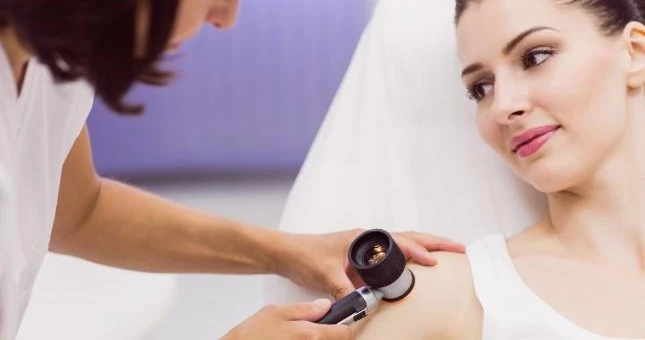
A workplace skin check in Kent usually includes questions about symptoms, a review of the employee's work activities and an assessment of areas commonly affected by occupational exposure, such as the hands and forearms.
The occupational health consultant looks for signs including dryness, irritation, redness, cracking, inflammation and possible allergic reactions.
The assessment may also consider the substances the employee handles, the frequency of exposure, handwashing practices and the use of gloves or other personal protective equipment.
If a problem is identified, the consultant can advise on appropriate workplace controls, changes to working practices and whether further medical assessment is required.
Employees with signs of persistent work-related skin inflammation may require further assessment for occupational health for dermatitis to establish how their symptoms relate to workplace exposure.
Where necessary, the employee may also be advised to seek further assessment from their GP or an appropriate specialist.
Who Needs Occupational Health Skin Checks?
Skin checks in Kent may be appropriate for employees whose work regularly exposes their skin to substances or processes that can cause irritation, sensitisation or other adverse effects.
Higher-risk industries can include healthcare, catering, cleaning, hairdressing, engineering, construction, manufacturing and printing.
Employees who regularly handle oils, detergents, solvents, cleaning chemicals, cement or other hazardous substances may require skin surveillance depending on the findings of the workplace risk assessment.
Food production can also involve frequent handwashing, wet work, cleaning products and contact with potential irritants. Businesses operating in this sector may therefore require specialist occupational health for bakery workers or other appropriate health surveillance depending on the hazards employees encounter.
Employers should assess workplace risks and arrange suitable health surveillance where the nature of the exposure makes it necessary.
How Often Should Skin Checks Be Carried Out?
The appropriate frequency of skin checks depends on the nature and level of workplace exposure.
Employees working in higher-risk environments may require more frequent surveillance, while employees with lower levels of exposure may need checks less often.
A baseline assessment can be useful when an employee starts work involving known skin hazards because it establishes their skin condition before ongoing occupational exposure.
The frequency of subsequent assessments should reflect the workplace risk assessment, the substances involved, previous findings and occupational health advice.
Regular surveillance in Kent allows changes to be identified early so employers can review controls before symptoms become more serious.
What Are the Benefits of Using an Occupational Health Consultant for Skin Checks?
Employers and employees can benefit from regular occupational health skin surveillance in Kent TN23 1.
Key benefits include:
Detecting early signs of occupational dermatitis and other work-related skin conditions.
Identifying employees who may require further assessment or workplace adjustments.
Supporting compliance with COSHH where health surveillance is required.
Reducing the risk of skin conditions becoming more severe.
Providing independent occupational health advice.
Supporting employees who need modified duties or changes to workplace exposure.
Demonstrating that the employer is actively managing occupational health risks.
Effective surveillance benefits employers because identifying skin problems early can reduce the likelihood of prolonged symptoms, sickness absence and disruption to work.
How Much Do Skin Checks Cost?
The cost of workplace skin checks in Kent depends on factors including the number of employees requiring surveillance, the frequency of assessments and whether appointments take place onsite or at a clinic.
Costs can also vary depending on whether skin surveillance forms part of a wider occupational health programme.
Businesses with larger workforces may benefit from arranging regular surveillance programmes, which can make monitoring easier to manage and ensure employees receive assessments at appropriate intervals.
Contact our team for a tailored quotation based on the number of employees, workplace risks and surveillance requirements.
Are Skin Check Assessments Confidential?
Skin assessments carried out by occupational health professionals in Kent are handled confidentially.
Employers receive the occupational health information they need to manage workplace risks and employee fitness rather than unnecessary clinical details.
Depending on the circumstances, an occupational health report may confirm whether an employee is fit for their duties, whether workplace adjustments are recommended or whether further assessment is required.
Employees should understand what information will be shared and why before an occupational health report is provided.
This approach protects employee confidentiality while giving employers the information required to manage workplace exposure responsibly.
What Industries Are Most at Risk of Work-Related Dermatitis?
Some industries have a higher risk of occupational dermatitis because employees frequently come into contact with irritants, allergens or wet working conditions.
Healthcare workers can experience repeated exposure to handwashing, gloves, cleaning products and disinfectants.
Hairdressers regularly handle shampoos, dyes, bleaches and other products that can irritate or sensitise the skin.
Catering and food production workers may experience frequent wet work, handwashing and exposure to cleaning agents. Bakery environments can involve additional occupational hazards, which means businesses may benefit from dedicated occupational health for bakery workers where appropriate.
Construction workers can encounter cement, oils, solvents, resins and other substances capable of affecting the skin. Some construction roles involve several occupational exposures, so businesses may also need occupational health for asbestos, occupational health for silica exposure or occupational health for lead exposure depending on the work being carried out.
Engineering, manufacturing, printing and cleaning can also present significant skin risks where employees regularly handle oils, solvents, chemicals or cleaning products.
Occupational health consultants in Kent can tailor surveillance programmes to the specific hazards present within each workplace.
How Do Skin Checks Help Employers Reduce Absence?
Occupational skin conditions can affect an employee's ability to work when symptoms become painful, persistent or severe.
Cracked, inflamed or damaged skin may make it difficult for employees to handle equipment, wear protective gloves or safely carry out tasks involving chemicals and other substances.
Regular skin surveillance helps identify problems before they reach this stage.
An occupational health consultant in Kent can advise on workplace adjustments, exposure reduction and further medical assessment where necessary.
Early intervention can help employees remain at work safely or return to their normal duties sooner, which can reduce the operational costs associated with sickness absence and replacement cover.
Do Skin Checks Support Compliance with Insurance and Regulators?
Regular skin surveillance can help employers demonstrate that they are actively managing identified workplace health risks.
Where health surveillance is required under COSHH, employers should ensure suitable arrangements are in place and maintain appropriate records.
Businesses with broader hazardous substance risks may also benefit from occupational health for COSHH to establish appropriate surveillance programmes for the substances employees encounter.
Effective records provide evidence of the steps an employer has taken to identify risks, monitor employee health and respond when concerns arise.
This can support regulatory compliance because employers can demonstrate that occupational health risks have been assessed and managed rather than ignored.
What Happens If an Employee Is Found Unfit for Work Due to Skin Problems?
If an occupational health consultant in Kent determines that an employee's skin condition affects their ability to carry out their normal duties safely, they can advise the employer on appropriate next steps.
Recommendations may include temporary modified duties, reduced exposure, changes to personal protective equipment or a temporary break from specific tasks.
The employee may also require treatment or further assessment by their GP or another healthcare professional.
Where work-related dermatitis is suspected, specialist occupational health for dermatitis can help employers understand how workplace exposure may be contributing to the condition and what adjustments could support the employee.
The aim is to protect the employee's health while helping the employer manage their duties safely and fairly.
Do Occupational Health Consultants Provide Training Alongside Skin Checks?
Occupational health consultants can also support employers with education and advice about preventing work-related skin conditions.
Training may cover appropriate PPE use, safe handling of hazardous substances, hand care, good hygiene practices and recognition of early symptoms.
Employees should understand which substances can affect their skin and what they should do if symptoms develop.
Training supports health surveillance because employees who recognise early warning signs are more likely to report them before a condition becomes severe.
Where businesses manage multiple chemical or hazardous substance risks, occupational health for formaldehyde and occupational health for benzene may also be relevant where those specific substances are present in the workplace.
Combining appropriate workplace controls, employee education and health surveillance provides stronger protection against occupational skin disease.
Request a Free Quote for Skin Checks
At Occupational Health Consultant in Kent TN23 1, we provide professional skin surveillance programmes for businesses whose employees face occupational skin risks.
Our services help identify early signs of work-related dermatitis and other skin conditions, support employees and help employers manage their responsibilities under UK health and safety legislation.
Whether you require individual assessments or an ongoing health surveillance programme, our consultants can provide support based on the risks within your workplace.
Contact Occupational Health Consultant in Kent today to arrange workplace skin checks for your workforce.
We cover Kent